About

Welcome to my personal website! I'm Dylan Clements, a Computer Science major at Clark University with a minor in Political Science, interested in creative problem-solving and human-centered technology.

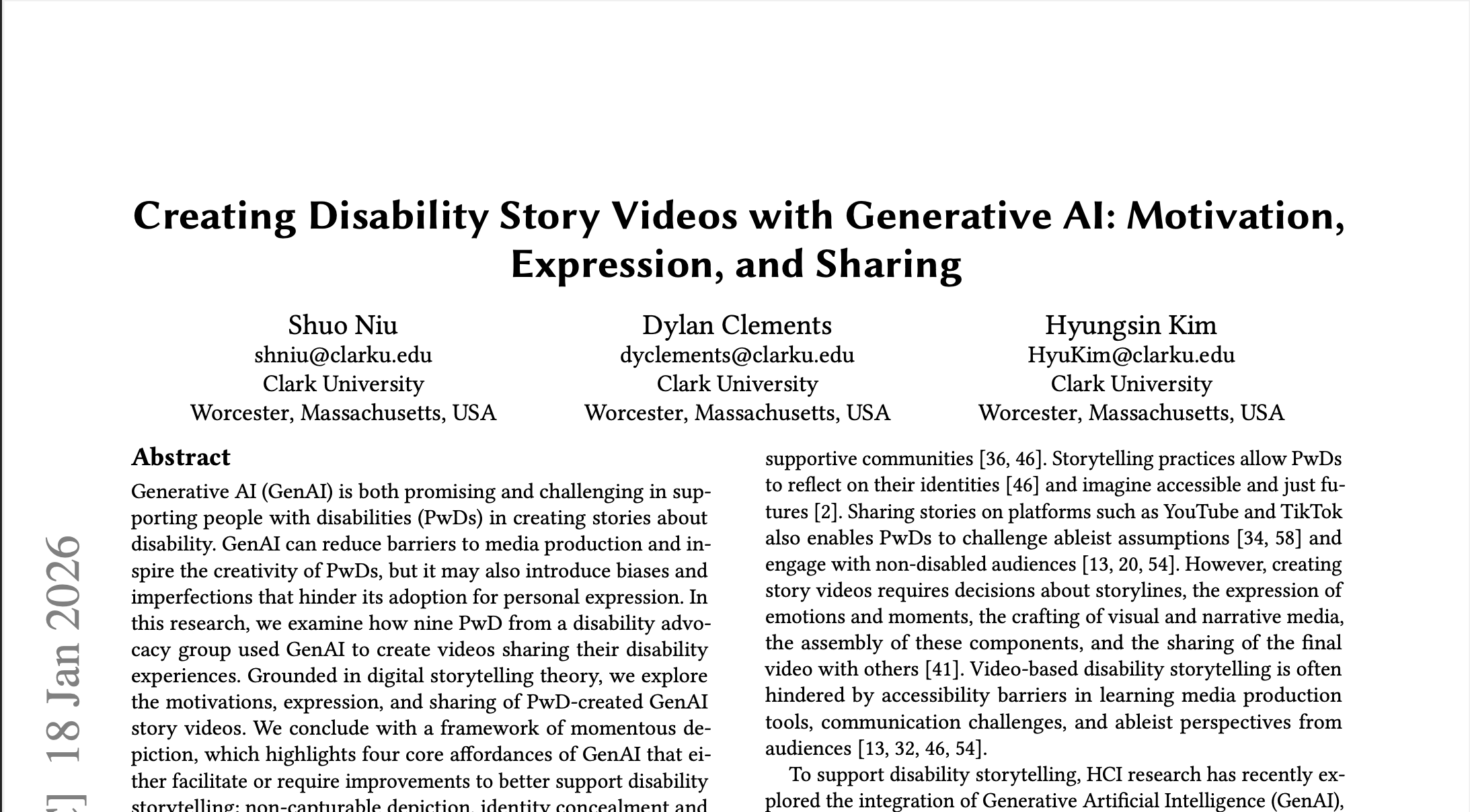
I am a Student Researcher in Clark University's Human-Computer Interaction Lab, working on Generative AI applications in accessibility, content creation, and social media.

Outside of academics, I enjoy Golf, Skiing, Ultimate Frisbee, Disc Golf, International Politics, History, Philosophy, Film, Personal Coding Projects, and Hackathons! I'm the president of the ACM Chapter at Clark, a member of the Clark Community Computing Club, and a player on Clark Ultimate Frisbee.

Feel free to explore my projects and recent updates below, and don't hesitate to reach out via the social links above!

Recent Updates

My Projects

Here are some of the projects I am most proud of!

autoBots

AutoBots

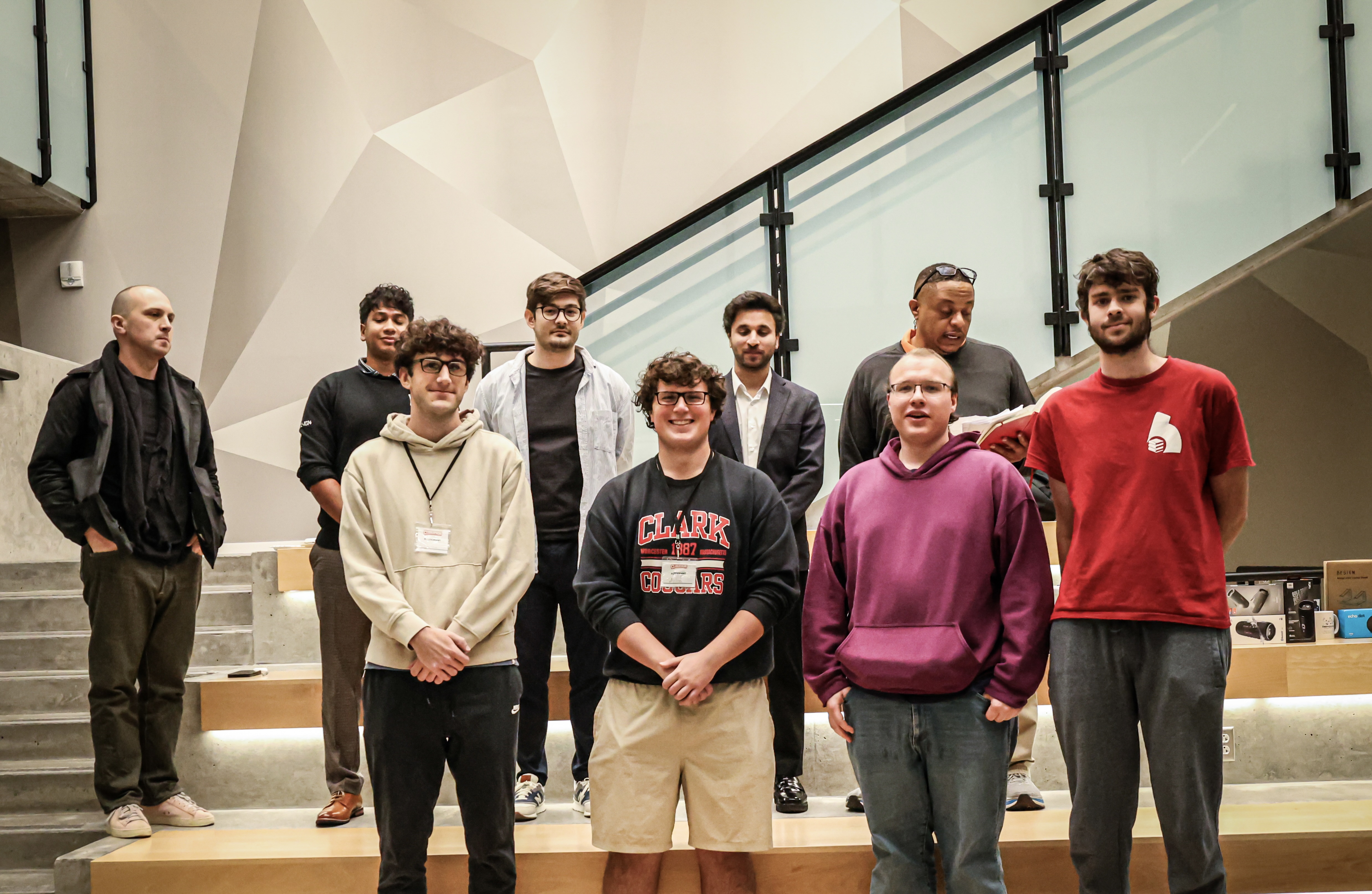
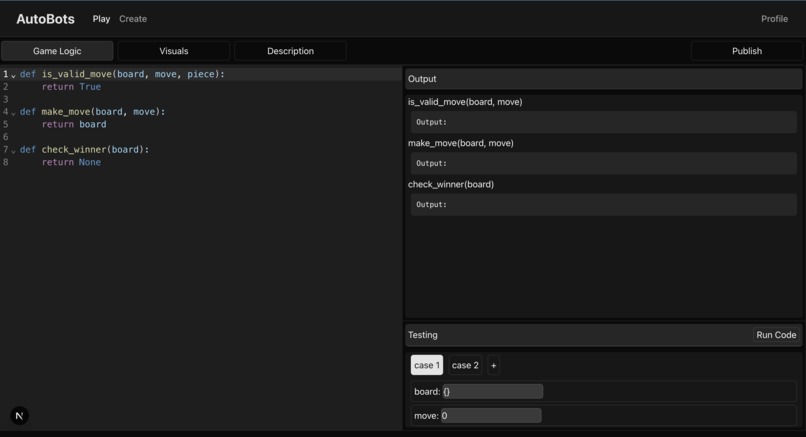
Placed 3rd place out of 16 submissions at the 2025 Fall Clark hackathon! An online platform where users can create games and compete in one-on-one competitions by programming Python bots to play against each other using Python, JavaScript, FastAPI, React, Websockets, CodeMirror, Pyodide, Piston, and MongoDB. Our team was 4 people, I was primarily responsible for the backend, working with Websockets to create real-time communication between users and the server, integrating Pyodide to run user-submitted Python code in the browser sandbox on their end, and utilizing Piston to securely run user submitted game logic server-side.

ClarkUltimate

ClarkUltimate

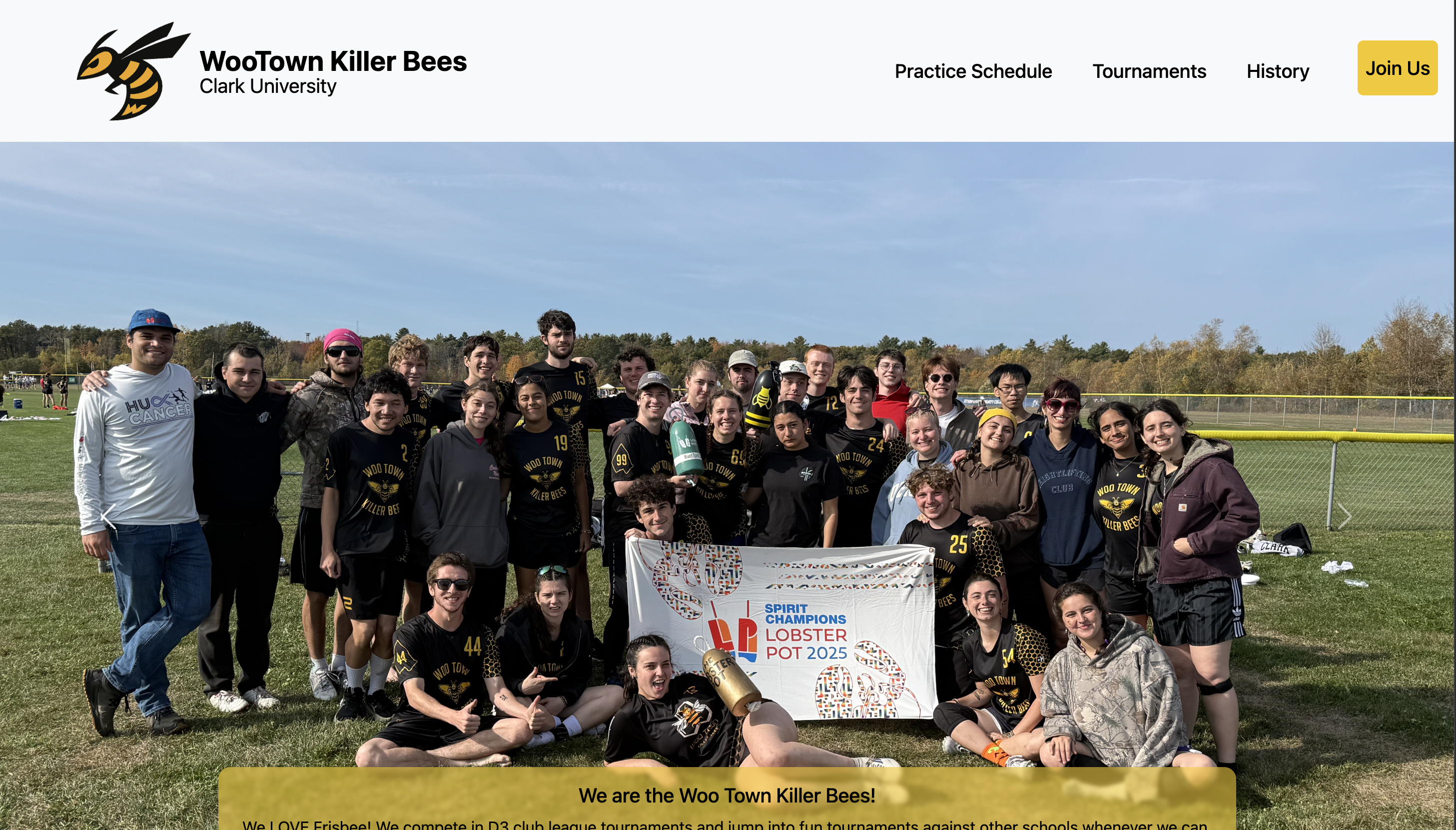
I created clarkultimate.com, the official website for Clark University's Ultimate Frisbee team with my teammate. The website features information about the team, great photos, the current practice schedule, tournament sign ups, rosters, scores, the history of the club, and the team sign up. With an admin login system, future team captains can update the site easily with new practices, tournaments, rosters, and scores. The site is built using HTML, CSS, JavaScript, and MongoDB for data storage.

autoPlant

IoT Plant Care System

I designed a networked plant auto-waterer with water-source emptiness detection as my Internet of Things course final. My system monitors soil moisture, delivering water with a pump if the soil is dry, and also monitors the water level of whatever reservoir the user is using, if it gets too low to water it will use a LED to alert the user to fill it. Users can check the soil moisture and water level at any time on a website. I got the opportunity to present my project to my classmates and several professors from the Computer Science department through a slideshow and live demo, and I also created an Instructable so others can build their own!

unityNotes

Unity Notes

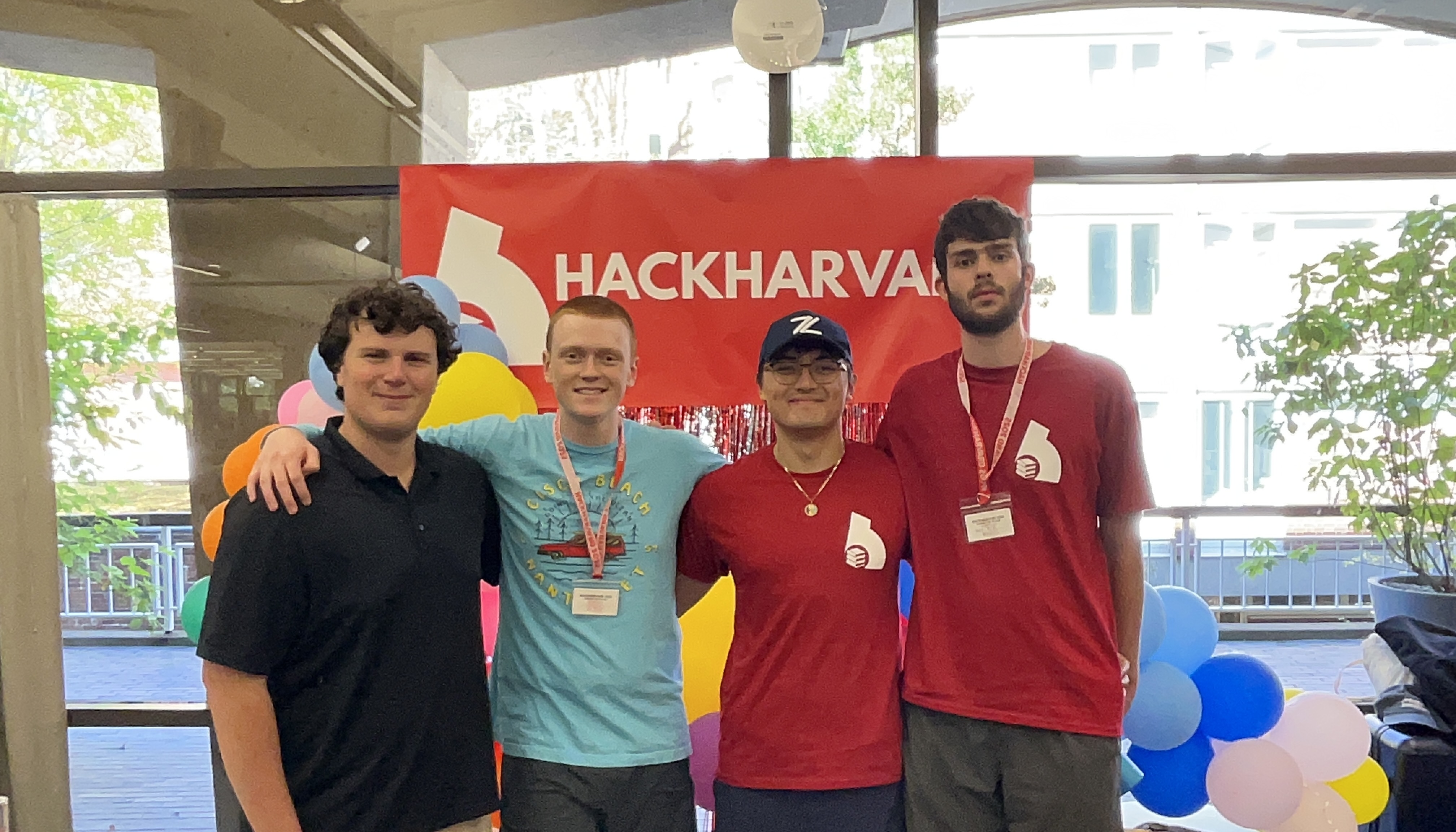
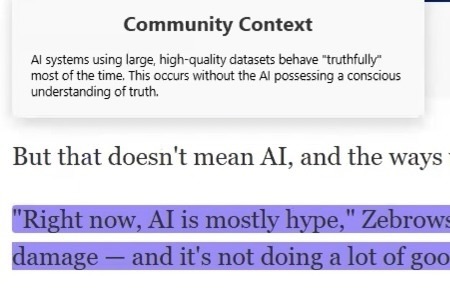
A decentralized, peer-to-peer, platform-agnostic community notes system using JavaScript, SQLite, Qdrant, Python, and the Gemini api with a Chrome Extension frontend. Built in a 4 person team during HackHarvard 2025. I was responsible for the vector database using Qdrant and the integration of the Gemini API for embedding generation, note summarization, and multi-topic context retrieval.

commUnity

CommUnity

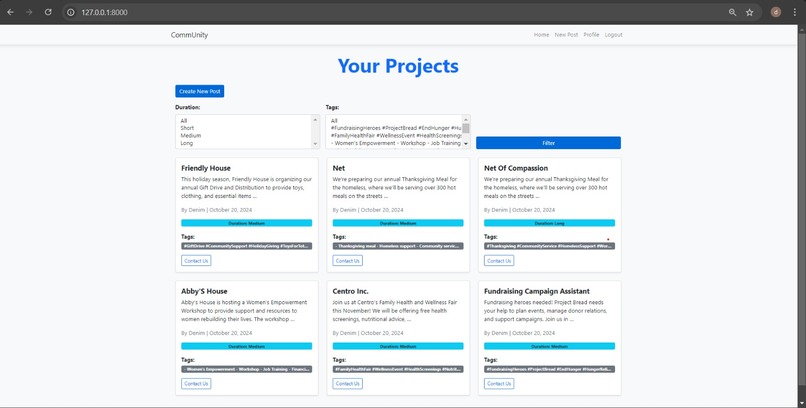
A platform designed in a 4 person team during the 2024 Fall Clark hackathon for students to get experience relevant to their studies via local volunteer work using JavaScript, SQLite, Python, and the OpenAI api. I was largely responsible for the openai api powered search and tagging mechanism to match students with relevant volunteer opportunities.

innerCircle

InnerCircle

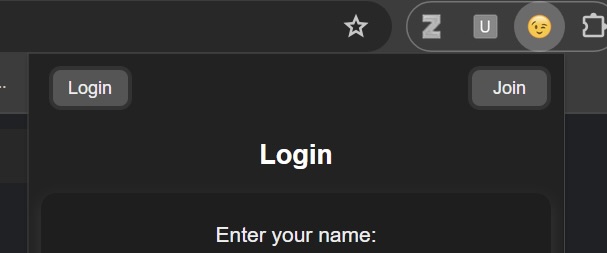
A Chrome Extension to passively communicate emotion in groups with only emojis using JavaScript, SQLite, and Python built in a 4 person team during the 2025 Spring Clark hackathon. The hackathon theme was "communication beyond words", and we wanted to create a platform for people to easily express their emotions in group settings no matter the time or place. I was primarily reesponsible for the backend, using Python, Flask, and SQLite to create a secure login and group joining system as well as storing and retrieving user emoji and group membership.

leafyLessons

LeafyLessons

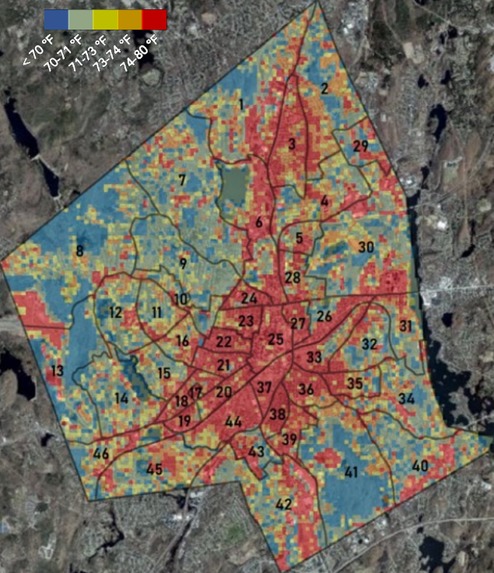
This project enables Worcester residents to see their location on both the heat and tree coverage maps, allowing them to visualize the tree coverage situation in their neighborhood and the negative effects it is having on their quality of life and the environment as a whole. Our program also provides information to users on how to utilize Worcester City resources to plant trees in public spaces and get in touch with their representatives to support policies to protect and grow tree coverage in Worcester. Built using Python, ipapi, and tkinter in a 2 person team during the 2024 Spring Clark hackathon.